
Mas-Grenier · Tarn-et-Garonne · Occitanie
A farm within the enclosure
of a Benedictine abbey
Old fruit varieties, a walled kitchen garden, aromatic plants, ten hives and open fields. The harvest grows a few paces from the workshop that keeps it, and the whole makes a real setting for agricultural research.
The cloister court in January: the eighteenth-century brick ranges, the arcaded gallery and the cypress.
For more than a thousand years this ground has joined land, water and table. SCEA Abbaye Saint Pierre de Lacour farms it today as certified organic land, deliberately diversified: old fruit the trade has left behind, vegetables behind walls, plants cut at the right hour, and a workshop so that what the season gives is not lost.
« Tunc vere monachi sunt, si labore manuum suarum vivunt. »
They are truly monks when they live by the labour of their hands. — Rule of Saint Benedict, chapter 48The work
Six kinds of work on twelve hectares
Each described by what grows, variety by variety, and by what becomes of it.
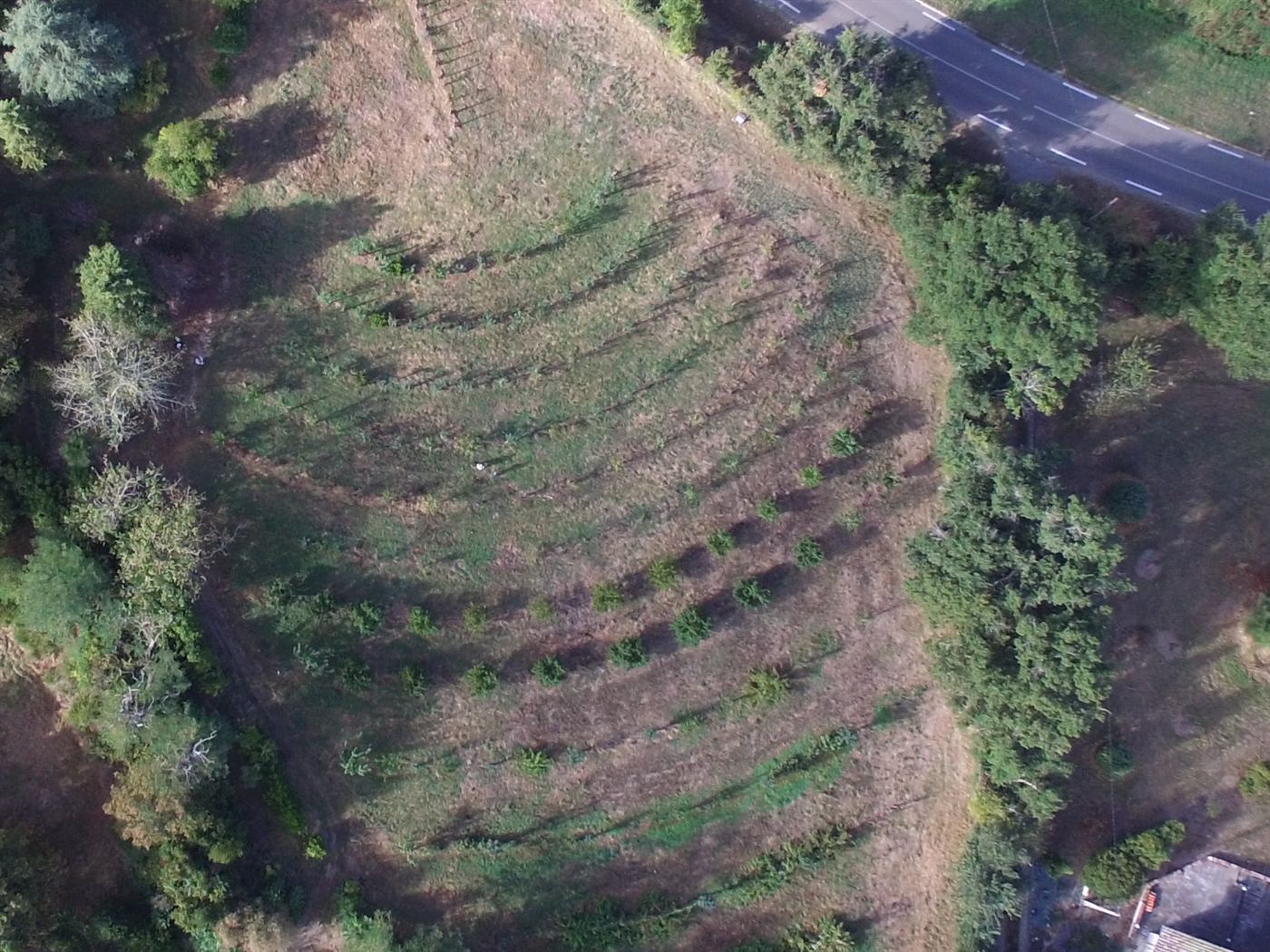
Orchard and ancient varieties
Itxassou cherries, Cuisse Madame pears, apples with Basque names. More than a hundred varieties of the South-West, planted as a shell and cross, in one of the thirty-five conservation orchards of the Conservatoire Végétal Régional d'Aquitaine.
The orchard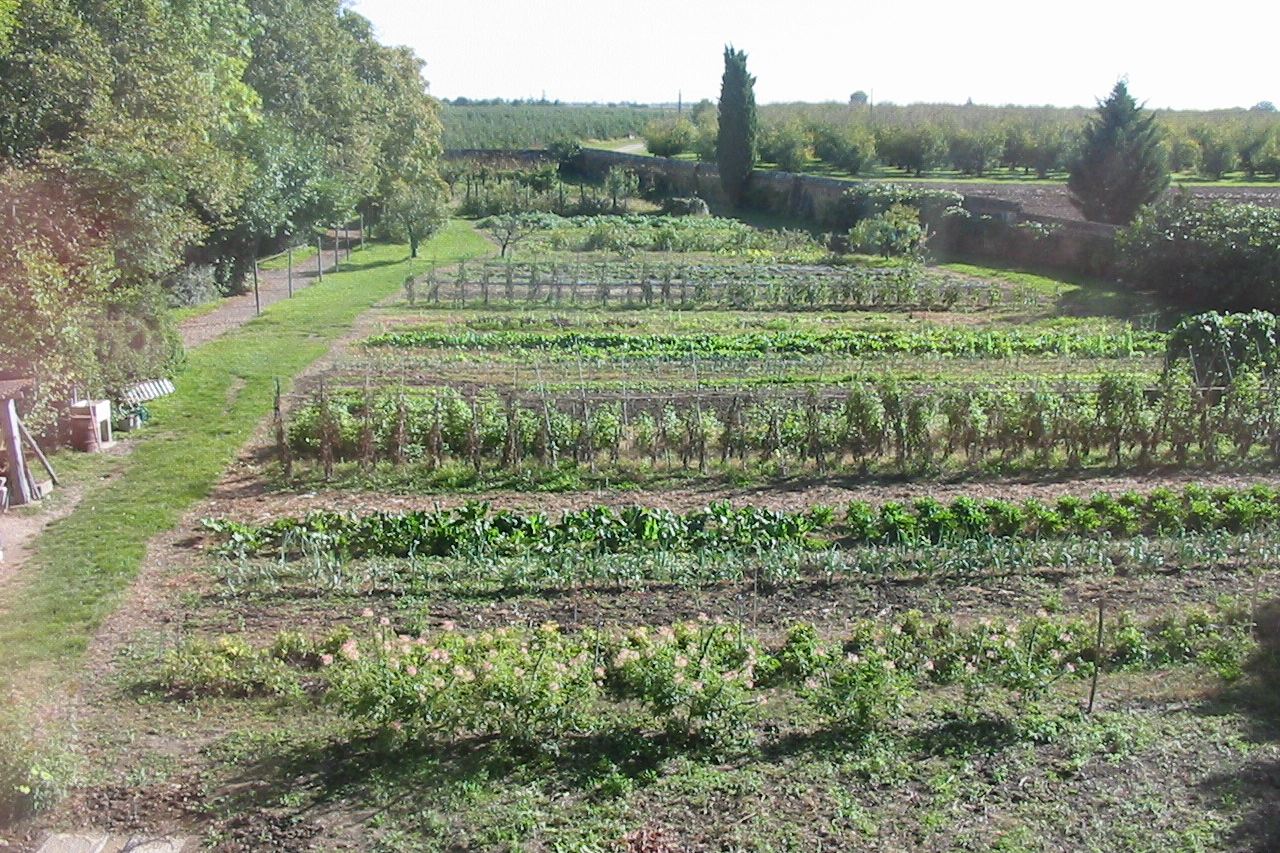
The market garden
Twenty vegetables behind an eighteenth-century wall that holds the day's heat into the night. Beans up canes, leeks in lines, squashes left to sprawl. Everything sown, planted out and picked by hand.
The garden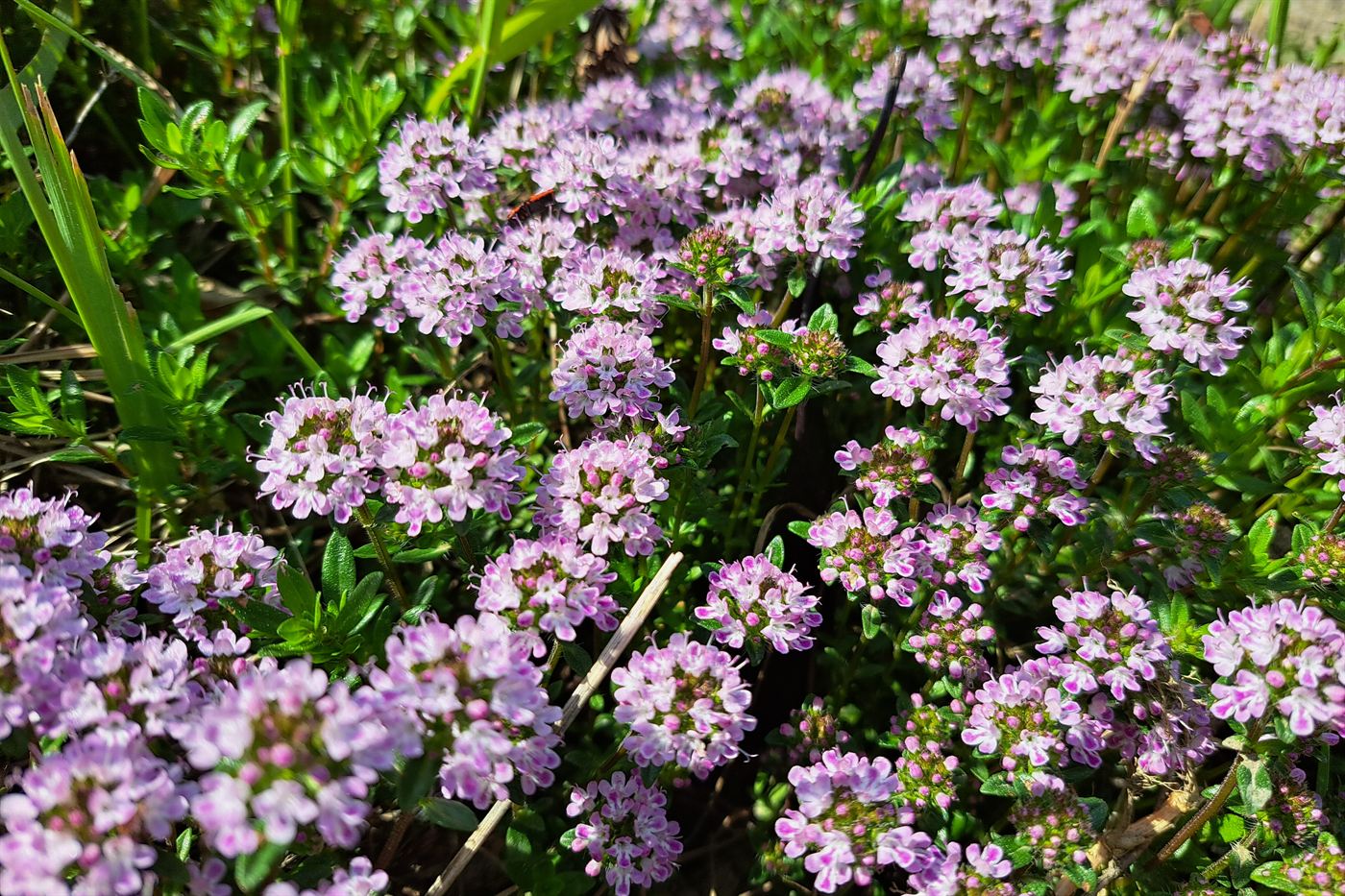
Medicinal and aromatic plants
Saffron picked at dawn: a hundred and fifty flowers to the gram. Chamomile, lemon balm, echinacea, monarda, cornflower — twenty-two species, and a low-temperature drying room where it is settled how much of the picking will remain.
The plants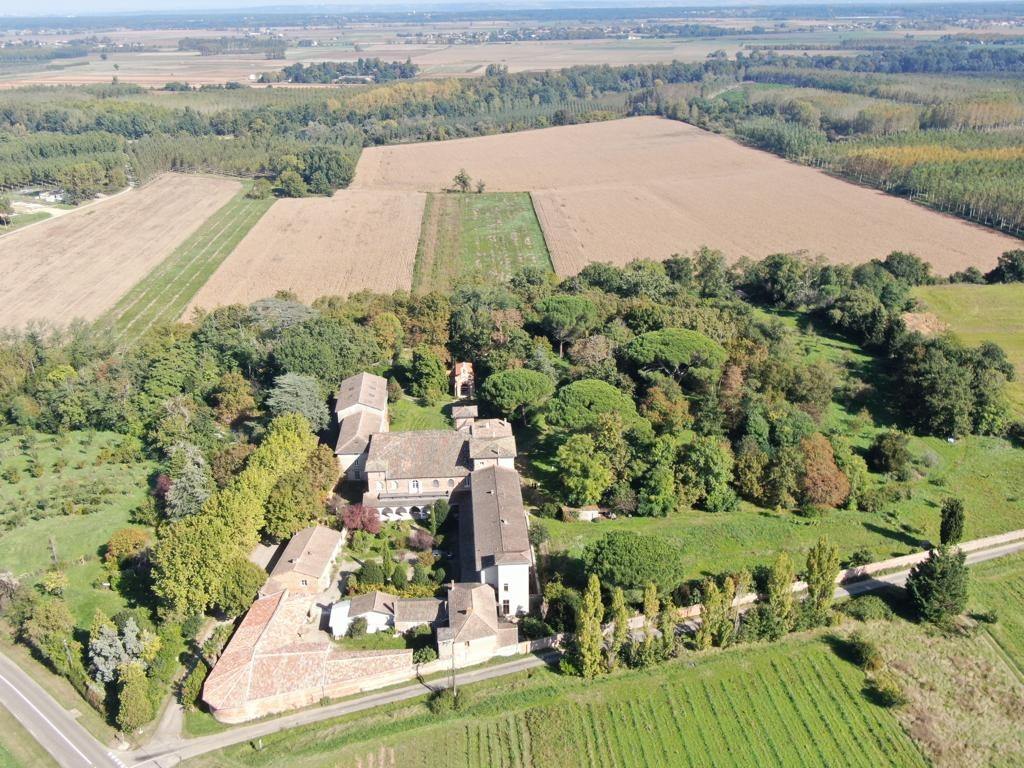
Fields and meadows
Buckwheat, which covers the ground quickly enough to need no weeding and feeds the bees in August. Einkorn, among the first wheats to be cultivated. Pulses, which leave in the soil the nitrogen the cereals will need.
The fields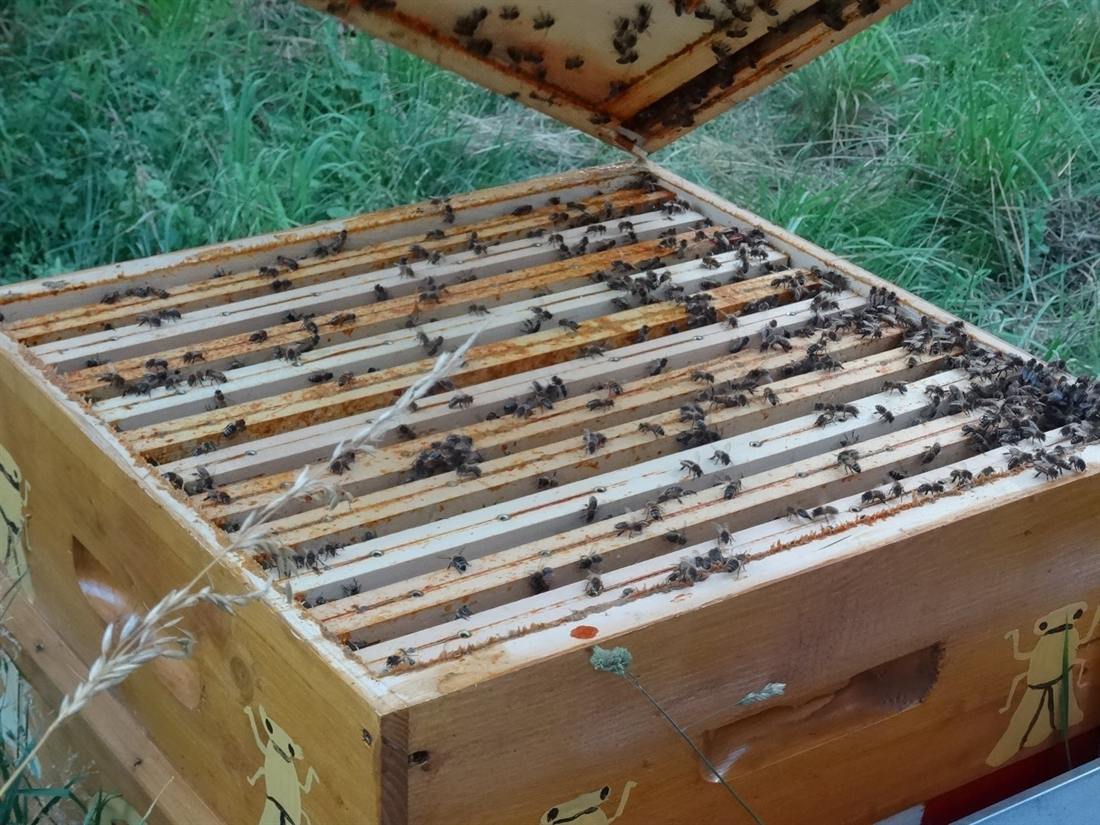
The bees
Ten colonies at the orchard's edge: seven Occitan queens, three Carniolan from Austria. The same forage, two temperaments, and a year that runs from February almond to October ivy.
The bees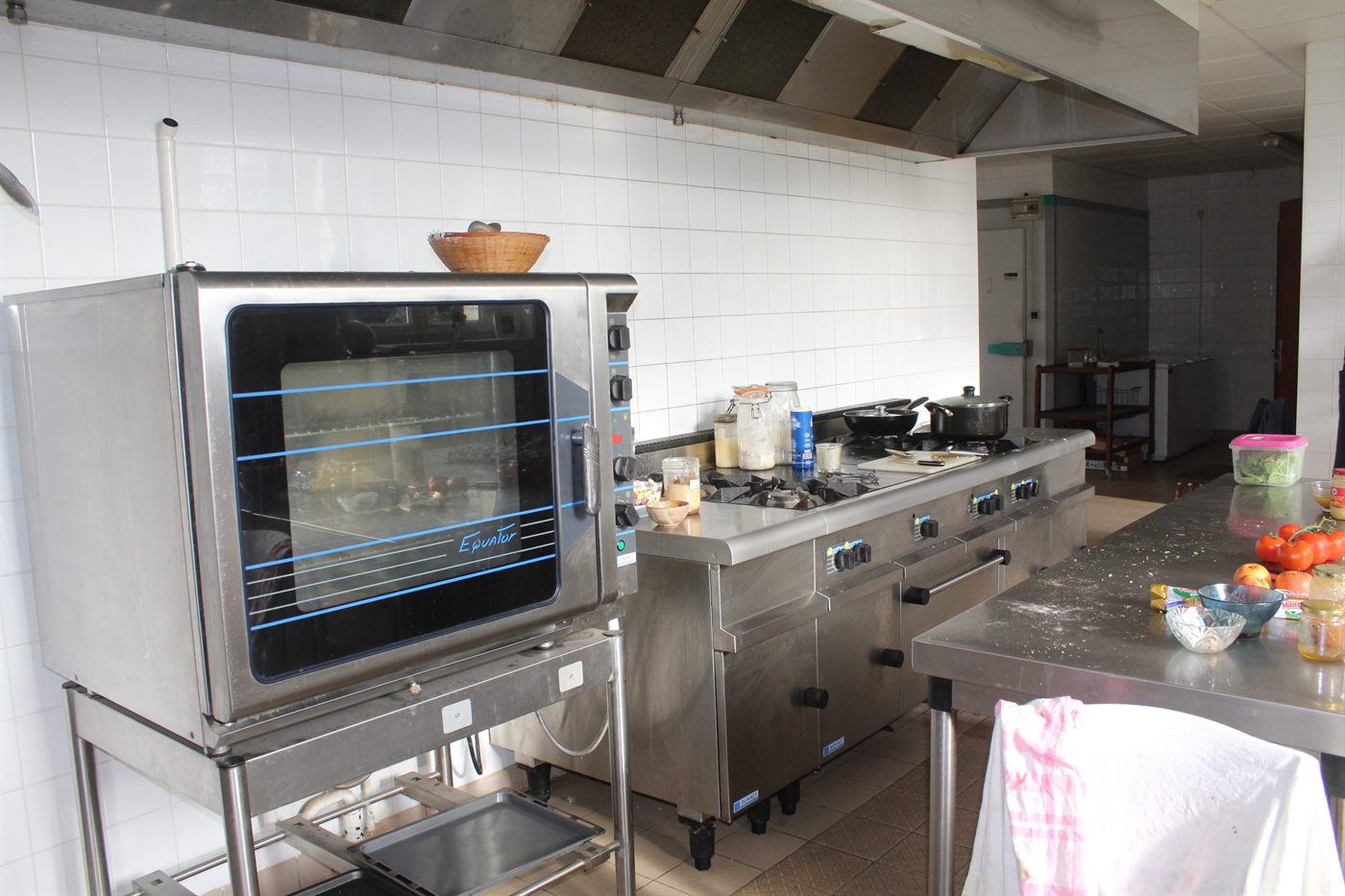
The workshop
Sixty-five square metres under brick vaults: autoclave, gas kettle, steam oven, fruit dryer, cold rooms. Here what the orchard and the garden give faster than it can be sold fresh is kept.
The workshopWhy there is a workshop
Many of these varieties travel badly. A blood peach holds for two days. Old soft apples bruise easily. That is why they left the trade, and for the same reason the workshop is not a sideline here: without it, part of the orchard would have no use.
Keeping the harvest is old work in Benedictine houses. The Rule, in chapter 31, entrusts the stores to the cellarer and asks him to treat the vessels of the monastery as the sacred vessels of the altar. Building C — brick vaults, a professional kitchen, cold rooms, the cloister garden outside the door — is where this estate does it.

The farm and research
Most agricultural technology is developed on a station: one crop, flat rectangular plots, generous instrumentation, a budget that absorbs failure. Little of it is developed on twelve hectares with six enterprises, curved orchard rows, hedges in the way, and one person deciding on a Tuesday morning whether to irrigate.
What the farm offers is concrete: fibre to the estate, power distributed to the plots, six cropping systems within a few minutes' walk, plot records kept to the standard certification requires. And an exact account of what happened, including when a trial yields nothing.
Three ways to come
The estate is visited by arrangement, let for a stay, and open to field trials. Write before you come: from May to September most of us are in the fields or the workshop.